While sleek, minimalist venues are having their moment, there’s something undeniably powerful about saying “yes” beneath centuries-old stone arches, surrounded by rolling vineyards and the quiet grandeur of French heritage. A blank industrial space can’t replicate the emotional weight of a château that’s witnessed generations of celebration. The setting isn’t just a backdrop-it’s a character in your story. In Bordeaux, where elegance is woven into the landscape, choosing the right venue means aligning your vision with a place that feels both timeless and authentically you.
Essential criteria for selecting Bordeaux wedding locations
When you’re picturing your wedding in Bordeaux, it’s not just about how beautiful a space looks in photos-it’s about how it feels to move through it. The best venues offer a natural rhythm, guiding guests from ceremony to cocktail hour to dancing under the stars, all without feeling cramped or disjointed. Flow matters, especially when you’re blending indoor elegance with outdoor moments. A seamless transition between a stone-walled salon and a sun-dappled terrace isn’t just nice to have-it’s what turns a party into an experience.
Atmosphere and architectural heritage
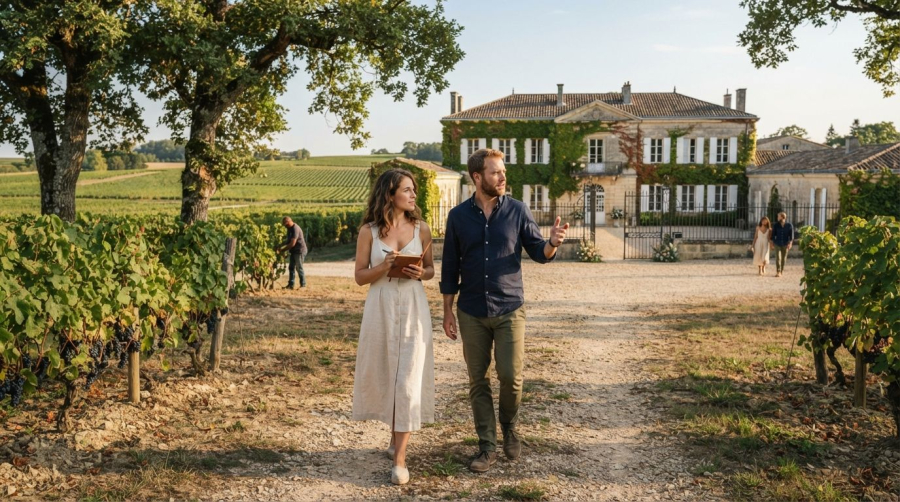
There’s a reason châteaux continue to captivate: they carry a sense of art de vivre that modern buildings often struggle to match. Think exposed beams, limestone walls, and parquet floors that echo with history. These spaces come with an inherent elegance-no need for excessive decoration, because the architecture itself tells a story. Whether it’s a 17th-century estate or a restored wine cellar with vaulted ceilings, the venue’s past becomes part of your celebration. For couples dreaming of a seamless celebration amidst the vines, professional Bordeaux vineyard wedding planning ensures every logistical detail reflects your personal style.
Capacity and guest flow logistics
Some couples envision an intimate gathering of close family under a pergola in the garden; others dream of a grand fête with 150 guests dancing in a ballroom. The right venue should accommodate your vision without forcing compromises. Look for places that offer multiple zones-a quiet lounge for catching your breath, a spacious lawn for ceremonies, and a covered area for rainy-day backups. Flexibility in layout means you’re not boxed in by one rigid setup. It’s about creating moments, not just filling seats.
Accessibility for international guests
Bordeaux isn’t just a destination-it’s an accessible one. With a high-speed train connection from Paris in just over two hours and an international airport with growing routes, it’s easier than ever for loved ones to join you. The best venues strike a balance: secluded enough to feel private and magical, yet within reasonable reach of transport hubs like the Saint-Jean train station. Proximity to the city also means more options for pre-wedding dinners or post-celebration recovery brunches, all without long transfers.
The charm of historic château wedding venues
There’s a quiet magic in walking into a grand reception room where chandeliers cast a warm glow over centuries-old moldings. These spaces don’t just host weddings-they elevate them. The architecture alone sets a tone of refinement, allowing your personal touches to shine without competing for attention. You’re not just renting a room; you’re stepping into a legacy of celebration, one where every detail, from the French windows opening onto the garden to the sweeping staircase, feels intentional.
Grand reception rooms and ballrooms
High ceilings, intricate woodwork, and walls lined with antique mirrors-these are the hallmarks of a truly memorable ballroom. They create a sense of volume and light that smaller spaces can’t replicate. Imagine your first dance beneath a crystal chandelier, the music carrying through a room built for elegance. These rooms often come with built-in grandeur, meaning you spend less on decor and more on personal flourishes. It’s tailor-made elegance at its finest: the venue provides the canvas, and you bring the soul.
Romantic outdoor ceremony spaces
Picture your ceremony in a walled garden, where roses climb ancient stone and the only sound is your vows carried on a soft breeze. Many châteaux in the region boast meticulously kept French gardens, terraces with panoramic views, or even private chapels nestled among the vines. These spaces offer a sensory richness-fragrant blooms, dappled sunlight, the rustle of leaves-that no indoor setting can fully mimic. The best part? You’re not just celebrating love; you’re doing it in a place that feels like it was made for it.
Essential amenities for a destination wedding in France
When guests are traveling from abroad, comfort isn’t a luxury-it’s a necessity. The most thoughtful venues go beyond aesthetics, offering practical comforts that make the entire weekend feel cohesive and effortless. From the moment your nearest and dearest arrive, they should feel welcomed, not just as attendees, but as part of the celebration from start to finish.
On-site accommodation and bridal suites
Having guest rooms just steps from the reception means no late-night shuttles or lost-in-translation taxi rides. More importantly, it fosters a sense of continuity-breakfast together the next morning, a quiet coffee on a private terrace, or even a spontaneous post-ceremony toast in the courtyard. Bridal suites, often tucked into a quiet wing, offer a sanctuary for getting ready, complete with natural light, spacious bathrooms, and that little extra touch of luxury that makes the morning feel special.
Exclusive-use estate benefits
One of the most valued perks of a château wedding is having the entire property to yourselves. No sharing spaces with hotel guests, no noise restrictions from neighboring events. It’s your world for the weekend. This exclusivity allows for a level of personalization that’s hard to achieve elsewhere-dinner under the stars, a midnight snack by the pool, a rehearsal dinner in the library. It’s not just privacy; it’s the freedom to live the celebration on your terms.
Checklist for choosing your vineyard estate
Behind every flawless wedding is a foundation of careful planning. The most beautiful venue can become a logistical headache if key details are overlooked. It’s not about pessimism-it’s about preparedness. A few smart questions early on can prevent stress later.
Logistical must-haves
Start with the basics: what happens if it rains? Is there a covered alternative that still feels special? Are there enough parking spaces for your guest list, or will you need to arrange shuttles? What are the noise restrictions, especially if you’re planning a late-night dance? These aren’t glamorous topics, but they’re the ones that keep the day running smoothly.
Catering and beverage policies
Some venues have in-house kitchens and preferred caterers; others allow complete freedom. Ask about corkage fees-some estates charge for bringing in outside wine, which can add up quickly. Others may include a certain number of bottles as part of the package. Knowing these rules early helps you plan your budget and avoid surprises.
Technical infrastructure
Older buildings weren’t designed for modern sound systems or elaborate lighting. Find out how many power outlets are available in the reception area and whether generators are allowed. Are there limitations on rigging lights from the ceiling? These details matter if you’re dreaming of a dramatic entrance or a dance floor that pulses with energy.
- Backup plan for outdoor ceremonies and receptions
- Parking availability and shuttle logistics
- Power access for lighting, sound, and catering equipment
- Corkage policies and beverage service options
- Sound restrictions and music cutoff times
Comparing venue styles and seasonal availability
The character of a vineyard changes dramatically with the seasons, and so does the feel of your wedding. Summer brings lush green canopies and long, golden evenings-perfect for garden cocktails and barefoot dancing on the grass. Autumn, on the other hand, offers a different kind of magic: rows of vines turning amber and crimson, the air crisp with the scent of harvest. This is harvest season, and some estates even allow couples to incorporate a grape-stomping moment or a private barrel tasting into their celebration.
Seasonal variations in the vineyards
Spring weddings bloom with wisteria and cherry blossoms, while winter brings a quieter, more intimate atmosphere-fewer tourists, lower rates, and the chance to cozy up with fireplaces and candlelight. Each season has its advantages, but peak months-June through September-book up quickly. If you’re set on a summer date, planning 12 to 18 months in advance is wise. For more flexibility, consider late spring or early autumn, when the weather is still pleasant but the competition for venues is less intense.
Investment ranges and service levels
Understanding what you’re paying for is key to making a smart decision. Some venues are essentially rental spaces-you bring in all your own vendors. Others offer partial services, like catering or coordination. A few go fully all-inclusive, handling everything from flowers to music. The level of service directly impacts both the price and the stress involved.
Understanding the pricing structure
Rental-only venues tend to be more affordable upfront but require more hands-on management. You’ll need to hire a planner or take charge of vendor coordination yourself. Partial-service venues strike a balance, often including basics like tables and linens. All-inclusive options are the most convenient but come at a higher cost. The difference? logistical precision built into the package.
Budgeting for additional services
Even with a full-service venue, there are often extras: overtime fees if the party goes late, cleaning charges, or security for large groups. Some estates require a coordinator as part of the contract, which can be a blessing if you’re from out of town. Others leave it up to you. Always ask for a detailed breakdown-what’s included, what’s optional, and what could become a surprise.
| Venue Type | Service Level | Typical Inclusions |
|---|---|---|
| Classical Château | Rental only | Exclusive use of grounds, basic furniture, ceremony coordination |
| Modern Winery | Partial service | In-house catering, wine pairings, event staffing |
| Private Manor | All-inclusive | Full planning, decor, meals, lodging, day-of coordination |
Frequently Asked Questions
How early do I really need to book a chateau in this region?
For peak months like June, July, and September, it’s common to book 12 to 18 months in advance. Popular estates often have limited availability, especially on weekends. If you’re considering a summer wedding, starting your search early gives you the best chance to secure your dream location.
What is the most common mistake when choosing a vineyard venue?
Overlooking access for large service vehicles is a frequent oversight. Many châteaux are reached by narrow country roads, which can complicate deliveries for caterers or equipment trucks. Always confirm whether large vans can reach the reception area or if there’s a staging point nearby.
Are there specific power requirements for historic reception halls?
Yes, older buildings often have limited electrical capacity. If you’re planning live music, a dance floor with lighting, or a projector, you may need a generator. Confirm with the venue what’s possible and whether external power sources are allowed on the property.
What hidden costs should we look out for in the contract?
Watch for cleaning fees, security deposits, overtime charges for late departures, and service gratuities. Some venues also charge for after-hours staff or waste removal. Always request a full list of potential extras before signing to avoid unexpected expenses.
- Book 12-18 months ahead for summer dates
- Confirm vehicle access for caterers and rentals
- Discuss power needs for sound and lighting setups
- Ask for a complete breakdown of potential extra fees
